
How to sell online: A guide
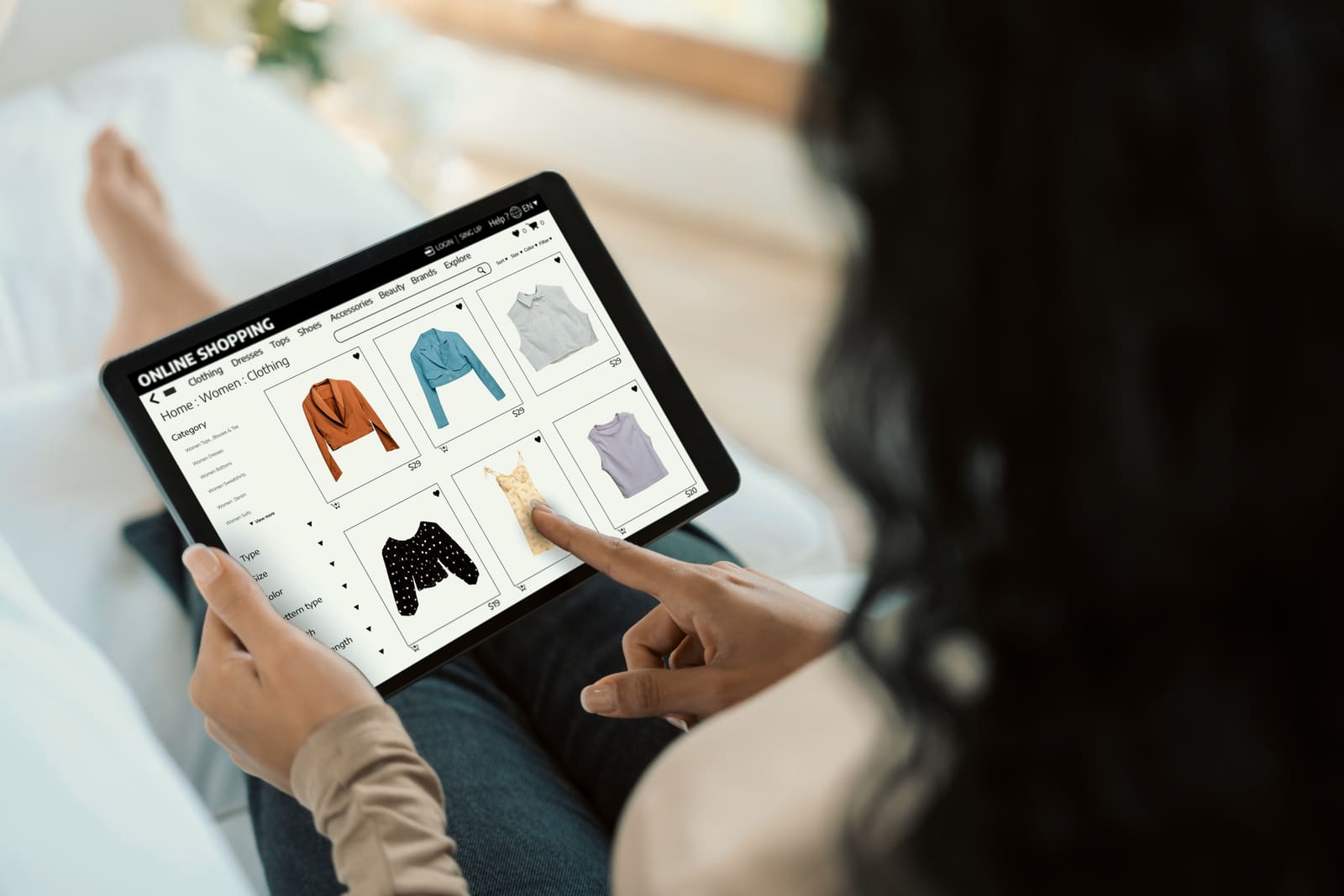
If you want to set up an online shop but aren’t sure how to sell online, the process can seem a little daunting. With so much to consider, it can be difficult to know how to get started.
To make things easier, we’ve put together a selection of our top tips to help you get up and running. From choosing the right products and selecting the best selling platform to attracting customers, this guide has everything you need to set you up for success.
What to sell online
If you’re thinking about starting your own store, the first step to consider is what to sell online. Maybe you’ve been streamlining your wardrobe and want to sell items you no longer wear, or clothes your children have grown out of. Or perhaps you enjoy finding hidden gems in charity shops, kilo sales and local selling groups, which you can then give a second life online. These can all be a great place to start.
If you’re not sure what to sell but love the idea of starting an online shop, consider your passions, hobbies and the communities you’re a part of. What would you, your friends or family love to be able to buy online?
Or, if you’re still lacking inspiration, take a look at trending products. Tools like Google Trends and Exploding Topics allow you to explore what people are searching for online. Social media can also be a great source of ideas. Hashtags like #TikTokMadeMeBuyIt or #AmazonFinds can highlight in-demand items so you can get started.
Where to sell online
Choosing where to sell online can feel like a big decision. Do you set up your own website from scratch? Or do you choose one of the existing platforms for selling, like Amazon or eBay? It can be a difficult choice: marketplaces give you access to an existing audience, while your own website gives you complete control over your brand, customer experience and sales process.
If you choose a marketplace, it’s important to remember that selling sites like these differ from each other and you should understand how they compare. For instance, some platforms are known for particular categories. Vinted, for example, is the go-to for preloved clothing while Etsy is known for handmade and personalised items.
Before committing, familiarise yourself with each platform’s seller fees, as well as their terms of service and their order handling processes. You could also do some research on social media to see what existing sellers are saying about the platforms. Reddit and Facebook can provide helpful insights into how sellers find platform customer service and ease of use.
Take a look at our rundown of the Best Online Marketplaces to find out more.
Complete your seller profile
This might sound obvious, but taking a little time to craft a strong seller profile is a great investment because it impacts how trusted and credible you are as a seller in the eyes of the buyer.
Think about your own experience. How many times have you almost bought something online, but abandoned the item at checkout because you felt that something wasn’t quite right about the seller? Maybe their profile lacked a photo or logo, or there wasn’t any information at all.
The chances are, other people feel the same. That’s why you should edit your seller profile with care.
Use your profile to tell a story. Tell customers how you chose the products listed, where they’re sourced from and what they can expect in terms of customer service. And if you’re listing your products on Causee, you could also include why you’ve chosen to support the charity you have.
Create your product listings
Your product listings can have a significant impact on your success as an online seller. Strong listings help buyers find your products, understand what they're purchasing and feel confident enough to place an order. If you want to know how to optimise product listings, read on.
Great photography
Wherever possible, use high-quality photos to show buyers what they’re getting. Capture lots of images from different angles in an area with good lighting – and take close-ups of details. If you can, include images of your products in use or in situ too, to provide context. Try to use a backdrop that doesn’t distract from your products.
Choose a strong product title
Product titles can make or break whether your products are found on online marketplaces because they are one of the first things that buyers see, alongside the images. Make sure they include the product name and keywords that might be searched for so it’s easy to find.
Write detailed product descriptions
When people ask us how to do product listing, we recommend including as much information as possible, for example:
- What it’s made from
- Who it’s for
- The size
- Materials
- Colours
- Uses
- Condition
And consider what buyers might be searching for. Which words would they put into the search bar? Try to use these keywords and phrases in your product description to increase the chances of being found.
If you find that the listing is getting long, add some bullet points to slim it down. They help buyers skim key information without being bogged down.
Clear pricing
Transparent pricing can affect your success. Make the price clear and avoid adding unexpected costs wherever possible.
If you’re donating to a charity with the proceeds, include this in the product description and why, so that people can support you and your cause. It may just mean the difference between someone buying from you rather than another seller.
Delivery, returns and refunds
This is not the most fun part of selling online but it’s important to be upfront about your delivery costs and regions as well as any refund policies. This can add to your credibility and manage expectations around buying from you.
Promote your online shop
Setting up your store isn’t the end of the journey! Once you’ve got your products listed and your profile filled out, it’s time to attract some customers. These are some of our favourite online shop promotion ideas.
Real-world promotion
If you have a physical location, whether it’s a shop or a pop-up, tell customers and visitors that they can buy from you online. For example, you could pop a business card or flyer into their bags, so they can check you out online.
Social media
Add a link to your Facebook and Instagram profiles to let your friends and family know that you’re selling products online. Share images and videos of your items and behind the scenes shots to highlight new arrivals and bring your business to life.
You could even try to share a link to your shop in relevant social media groups and boards, although it’s best to check the terms of membership before getting started.
Paid advertising
Platforms such as Google and Facebook allow businesses to advertise to their target audiences to drive awareness and sales. Although this includes additional outlay, it does mean you can reach a large, targeted audience quickly. Start with a small budget and build up to investing more heavily once you know what works.
Email marketing
If you collected email addresses from past customers – and they have opted in to your mailing list – send them a message about your shop. Tell them about the products you’re selling, new arrivals, special offers and also about life at your business. And if you’re selling on Causee, be sure to tell them that we donate a share of our profits to your chosen charity, so they know you’re supporting a wider community.
Start selling online today
Selling online doesn't have to be complicated. By choosing the right products, selecting a suitable platform, creating detailed listings and promoting your shop effectively, you'll have the best chance of success. If you're ready to take the next step, sign up for Causee today.